The Spirit in a Stroke: Calligraphy and Sumi-e
Japanese art has long been defined by its balance of elegance, restraint, and depth. From the meaning carried in a single brushstroke to the subtle relationship with nature, it offers both a disciplined practice and a powerful visual language. Spanning from traditional techniques to contemporary expressions, this artistic continuum reveals how Japanese aesthetics evolve while preserving their core identity.
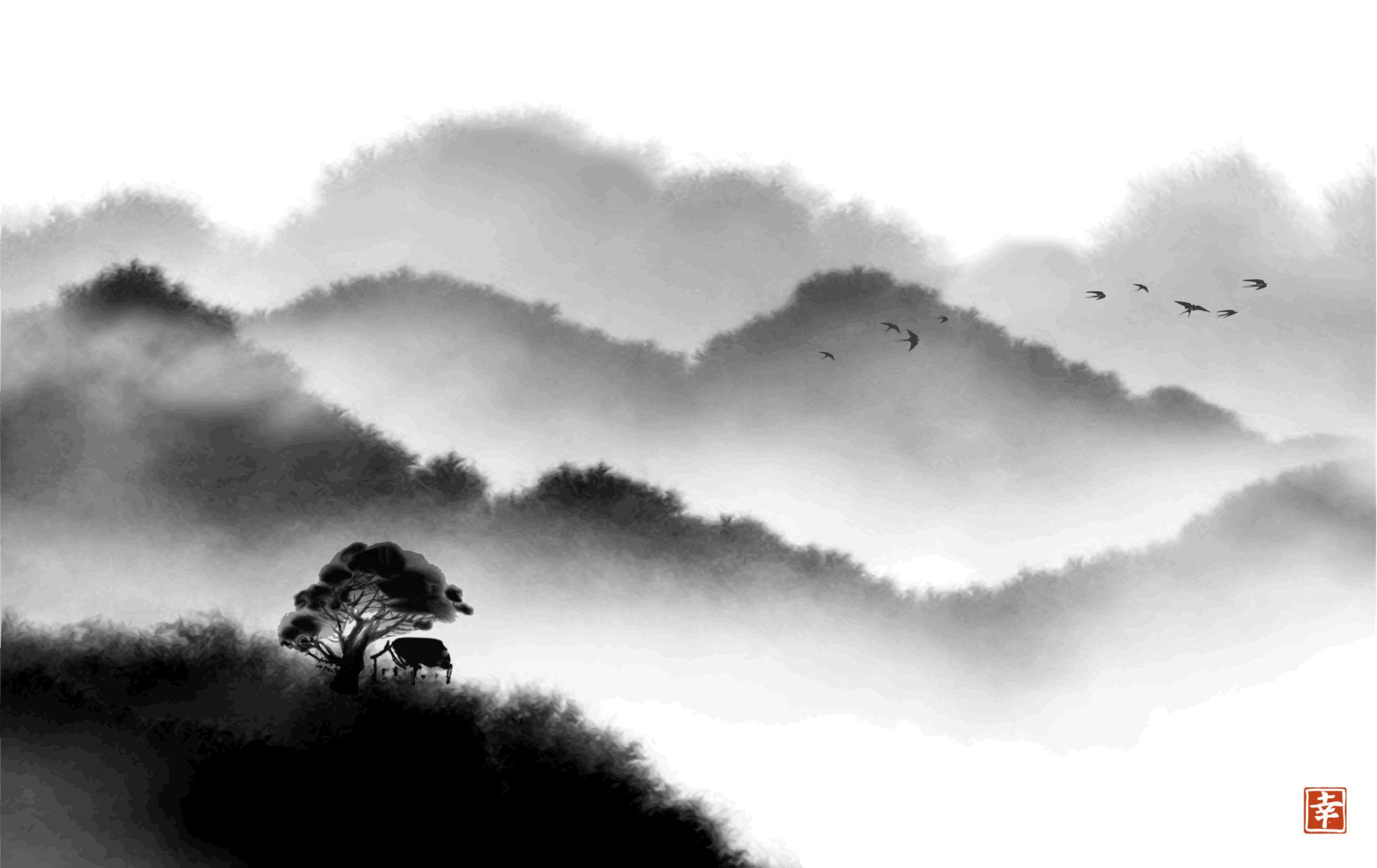
Landscape with little house on the hill and misty forest mountains. Traditional oriental ink painting sumi-e, u-sin, go-hua. Hieroglyph – happiness.
In Japan, calligraphy shodō is far more than writing; it is a form of mental and spiritual concentration. With a single, fluid movement, the artist transfers energy, rhythm, and emotion directly onto the surface. It is a delicate balance between control and freedom.
This philosophy extends into sumi-e (ink painting), where minimal tools black ink, water, and white paper are used to create evocative compositions. Mountains rise, mist settles, and rivers flow quietly, all through restrained gestures. Here, emptiness is not absence but an active and breathing part of the composition.
One of the most important masters of this tradition, Sesshū Tōyō, elevated the medium to remarkable intensity. In his Winter Landscape, sharp rock formations and a stark atmosphere convey cold, solitude, and movement through only a few decisive strokes.
The Floating World: Ukiyo-e Prints
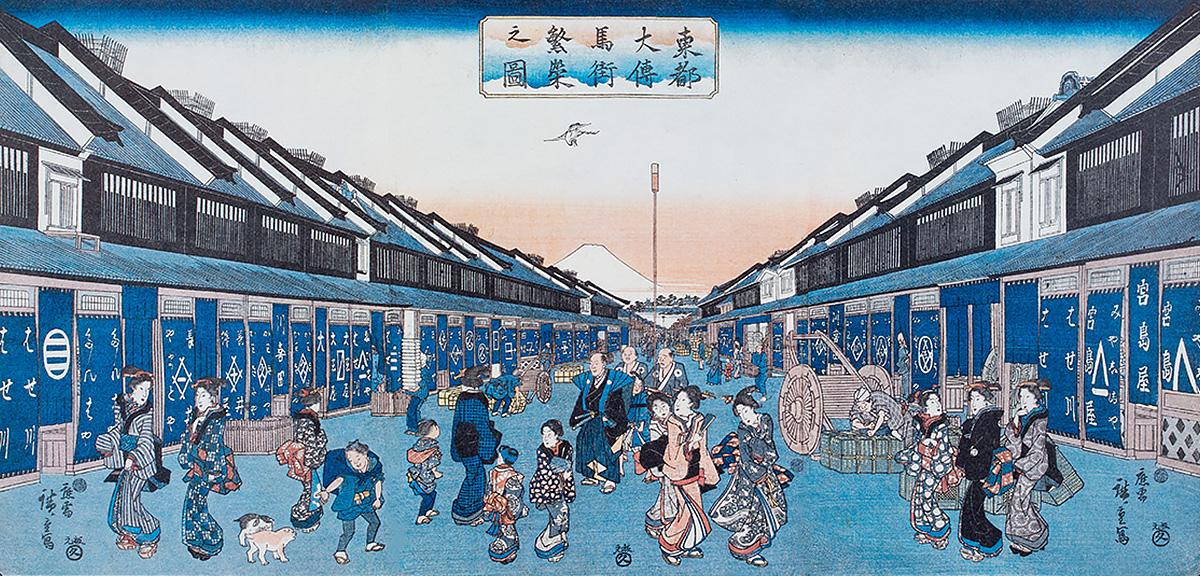
During the Edo period, ukiyo-e or “pictures of the floating world” brought art into everyday life. These woodblock prints depicted urban culture, kabuki actors, travelers, and famous landscapes, making art more accessible and widely circulated.
Among its most iconic figures, Katsushika Hokusai created the globally recognized The Great Wave off Kanagawa. The towering wave, poised to engulf fragile boats, contrasts dramatically with the stillness of Mount Fuji in the distance, creating a powerful sense of motion and tension.
Alongside him, Utagawa Hiroshige captured quieter, more poetic moments. His scenes of rain, snow, and distant roads evoke intimacy and the fleeting beauty of nature.
When these prints reached Europe, they profoundly influenced artists such as Claude Monet and Vincent van Gogh. Their bold compositions and flat color planes reshaped Western perspectives on space and representation.
Living Within the Image: Architecture and Zen Gardens
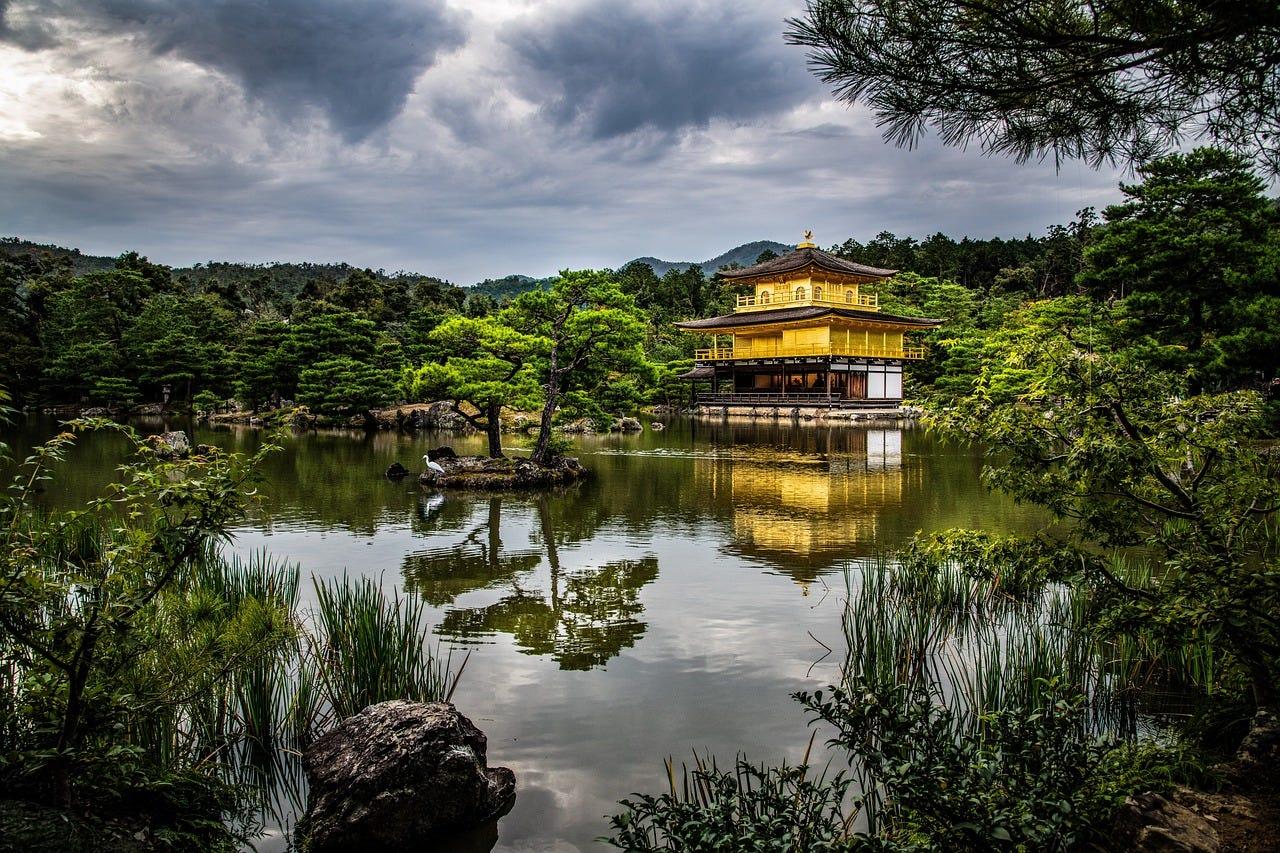 Kyoto’s Must-See Shrines: A Spiritual and Cultural Journey | by Yin-Le Wang | Medium
In Japanese culture, art is not confined to walls it is lived. Traditional architecture creates a seamless connection between interior and exterior spaces. Sliding paper doors, soft natural light, and tatami floors cultivate a sense of calm and simplicity.
In Kyoto, the shimmering pavilion of Kinkaku-ji reflects onto the surrounding water, doubling its visual impact and reinforcing harmony between structure and nature.
Nearby, the Zen rock garden of Ryōan-ji presents a minimalist yet profound landscape. Fifteen stones placed on raked gravel invite contemplation and interpretation. Here, a few elements can evoke mountains, oceans, or entire worlds completed by the viewer’s imagination.
Contemporary Expressions: Manga, Anime, and Installation Art
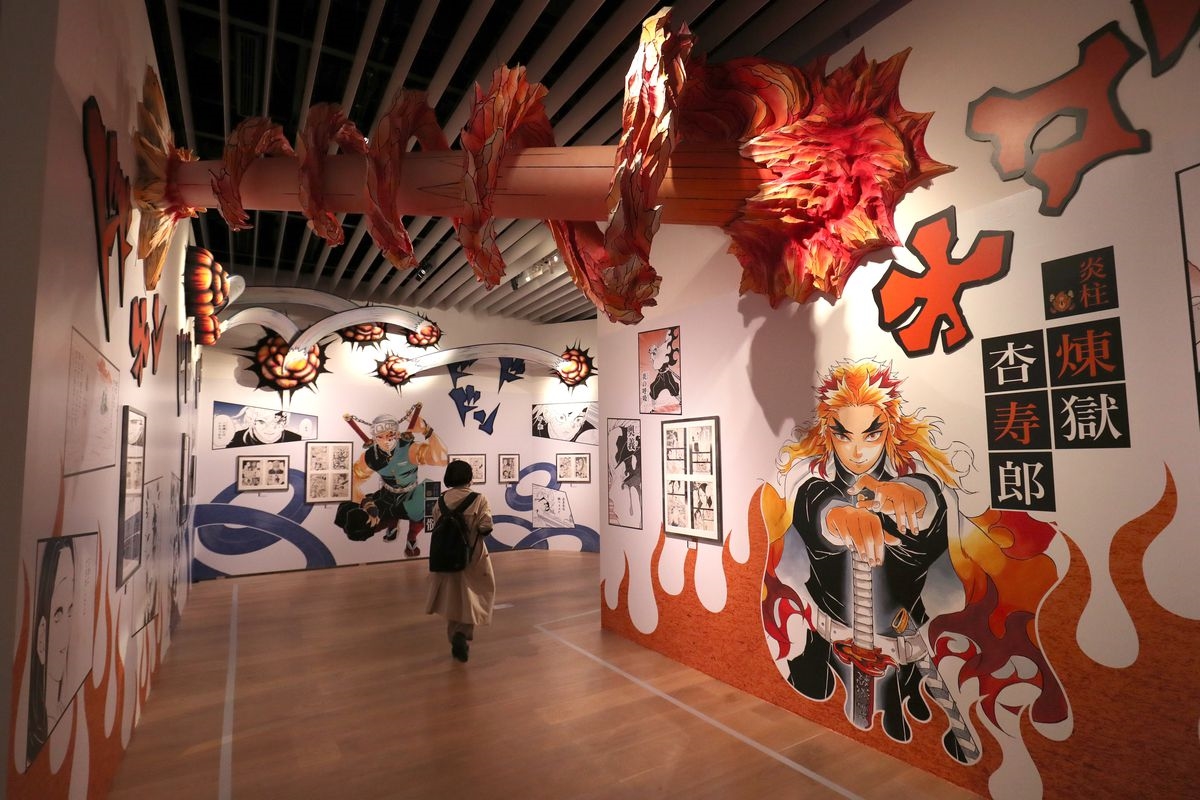
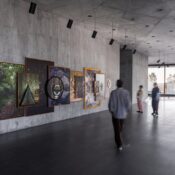
Mori Arts Center Gallery Kimetsu no Yaiba Exhibition
Today, Japanese art continues to expand while staying rooted in its traditions. Manga and anime have become some of the most globally recognized cultural forms. Characters like Naruto Uzumaki draw millions into richly imagined worlds.
In the realm of contemporary art, Yayoi Kusama stands out with immersive installations. Her infinity rooms, filled with repeating dots and reflections, create hypnotic environments that challenge perception and spatial awareness.
A new generation of artists is now reinterpreting traditional techniques through modern lenses. Through digital platforms and global exposure, they continue to expand the visual and conceptual language of Japanese art.
Japanese art offers a continuous dialogue between past and present. From the quiet precision of ink painting to the immersive intensity of contemporary installations, it remains grounded in sensitivity to nature, attention to gesture, and a profound sense of simplicity. Tradition and modernity do not oppose each other they coexist, shaping a living and evolving artistic language.