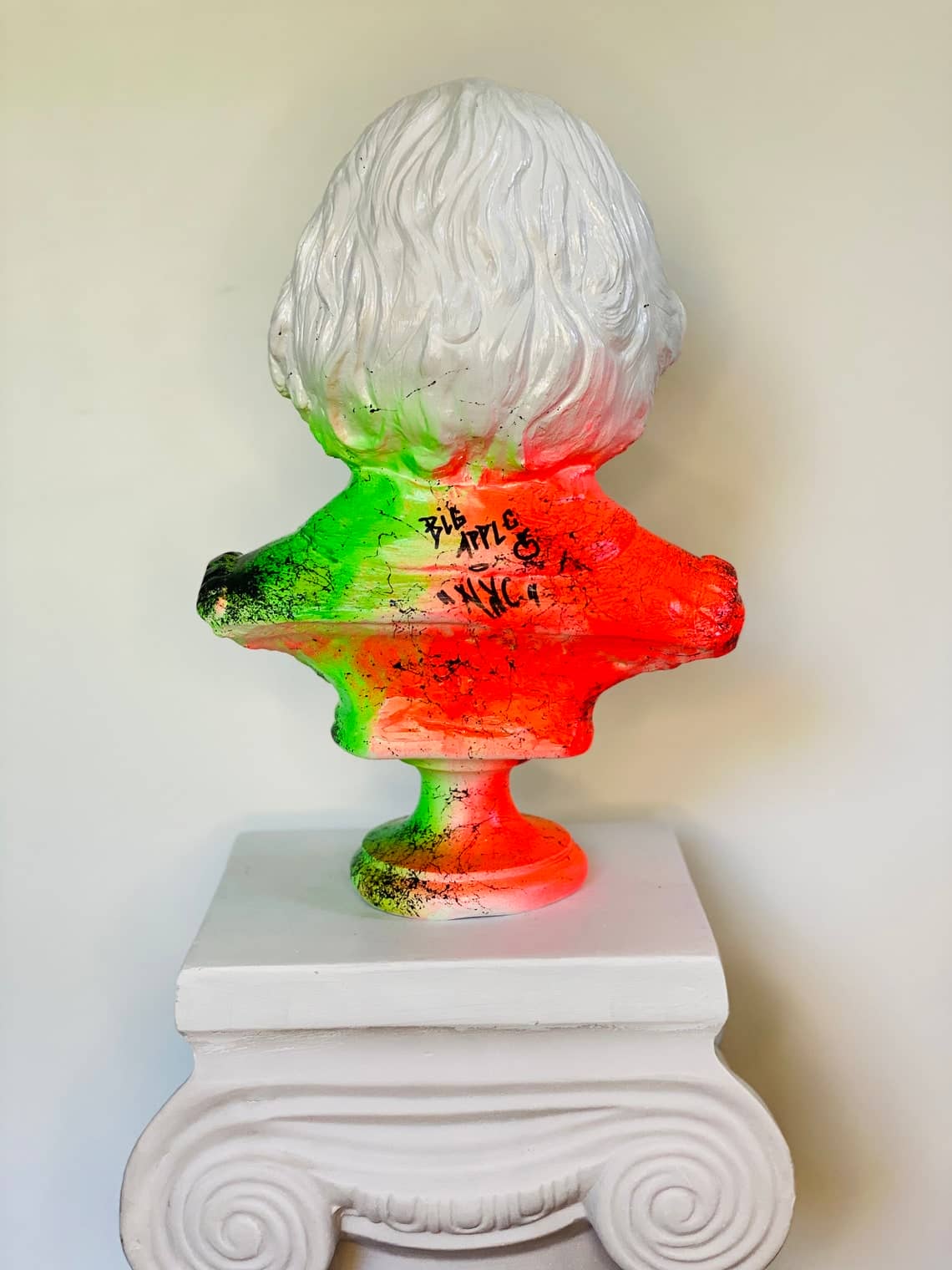
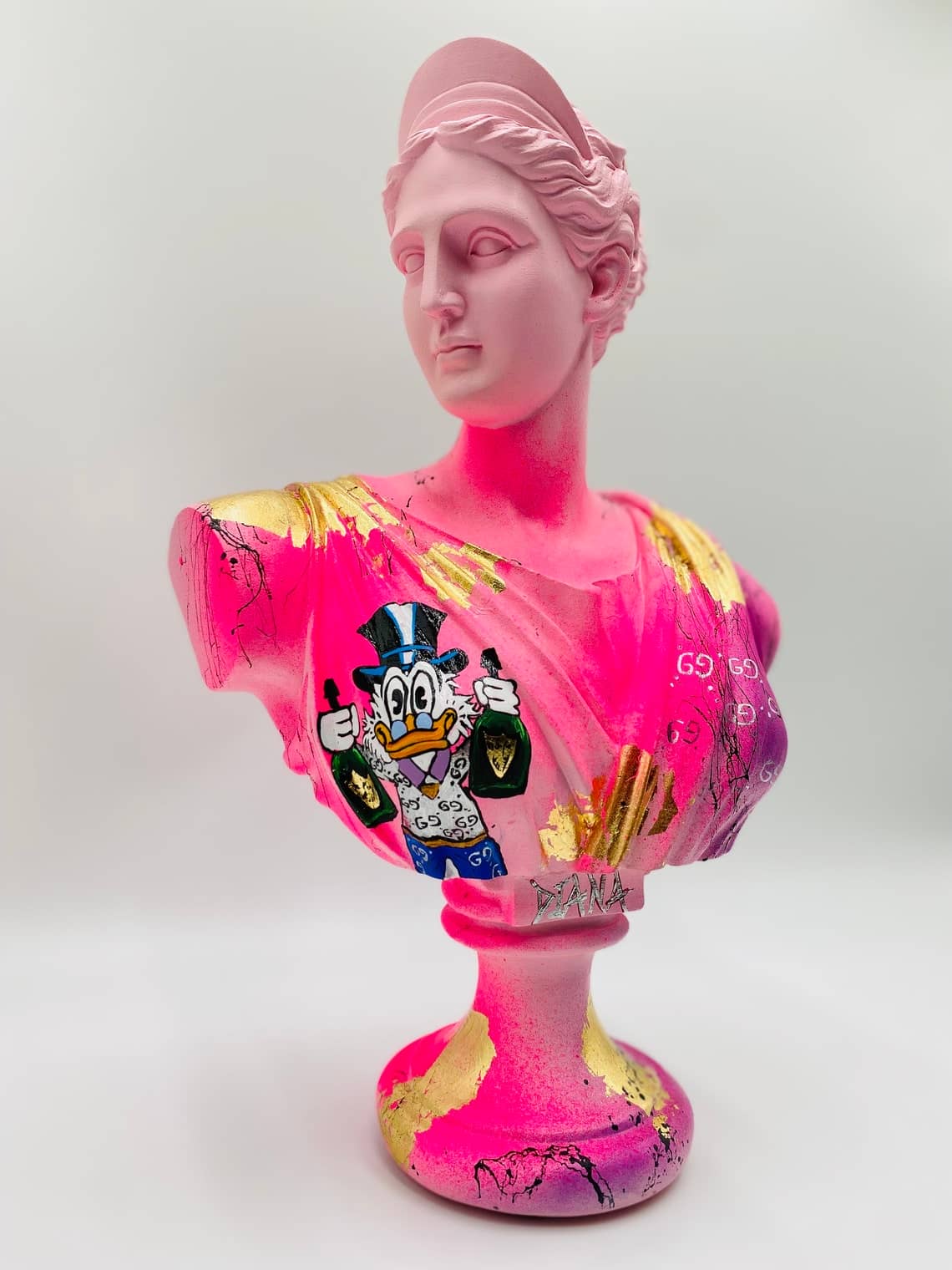
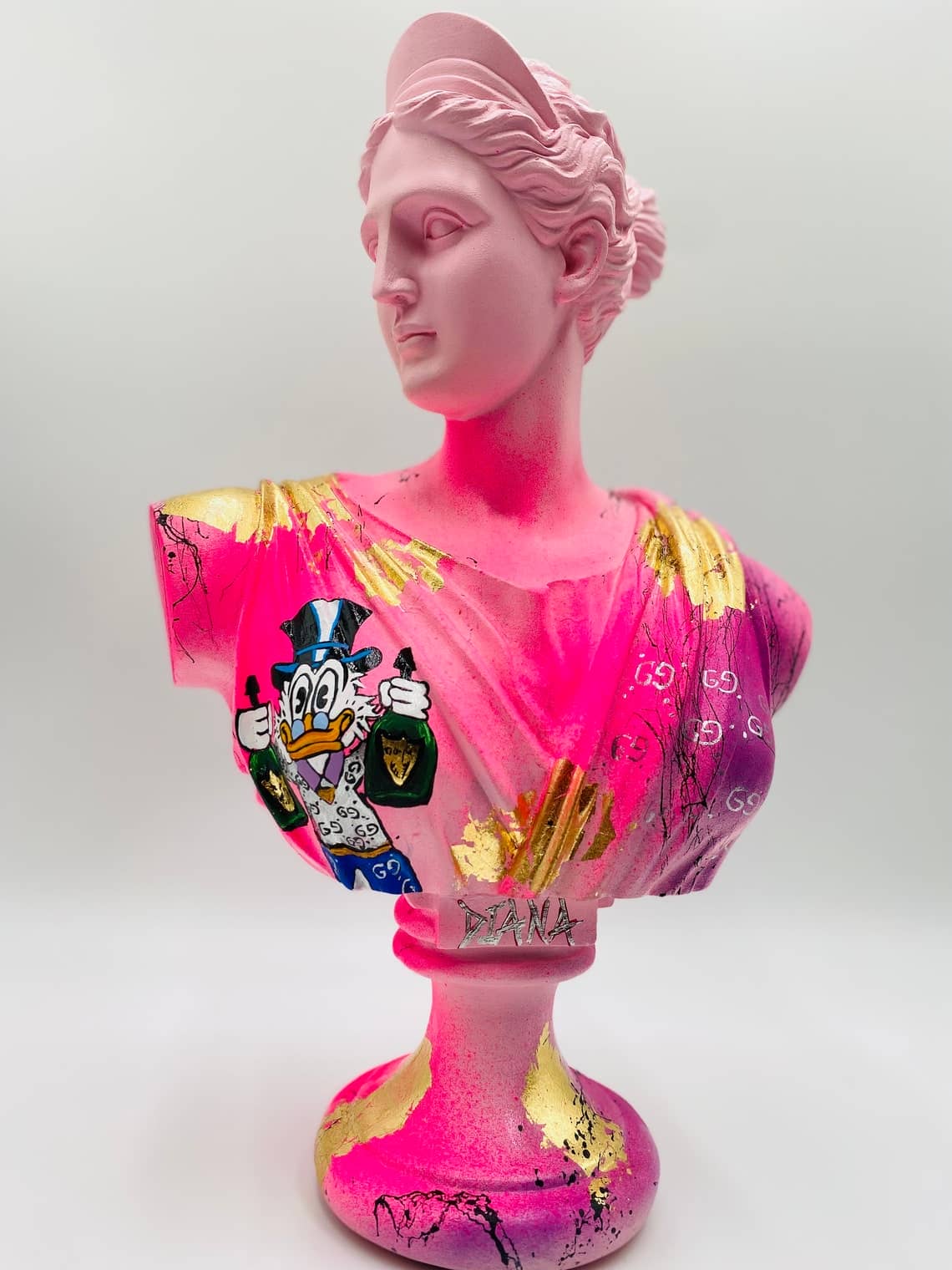
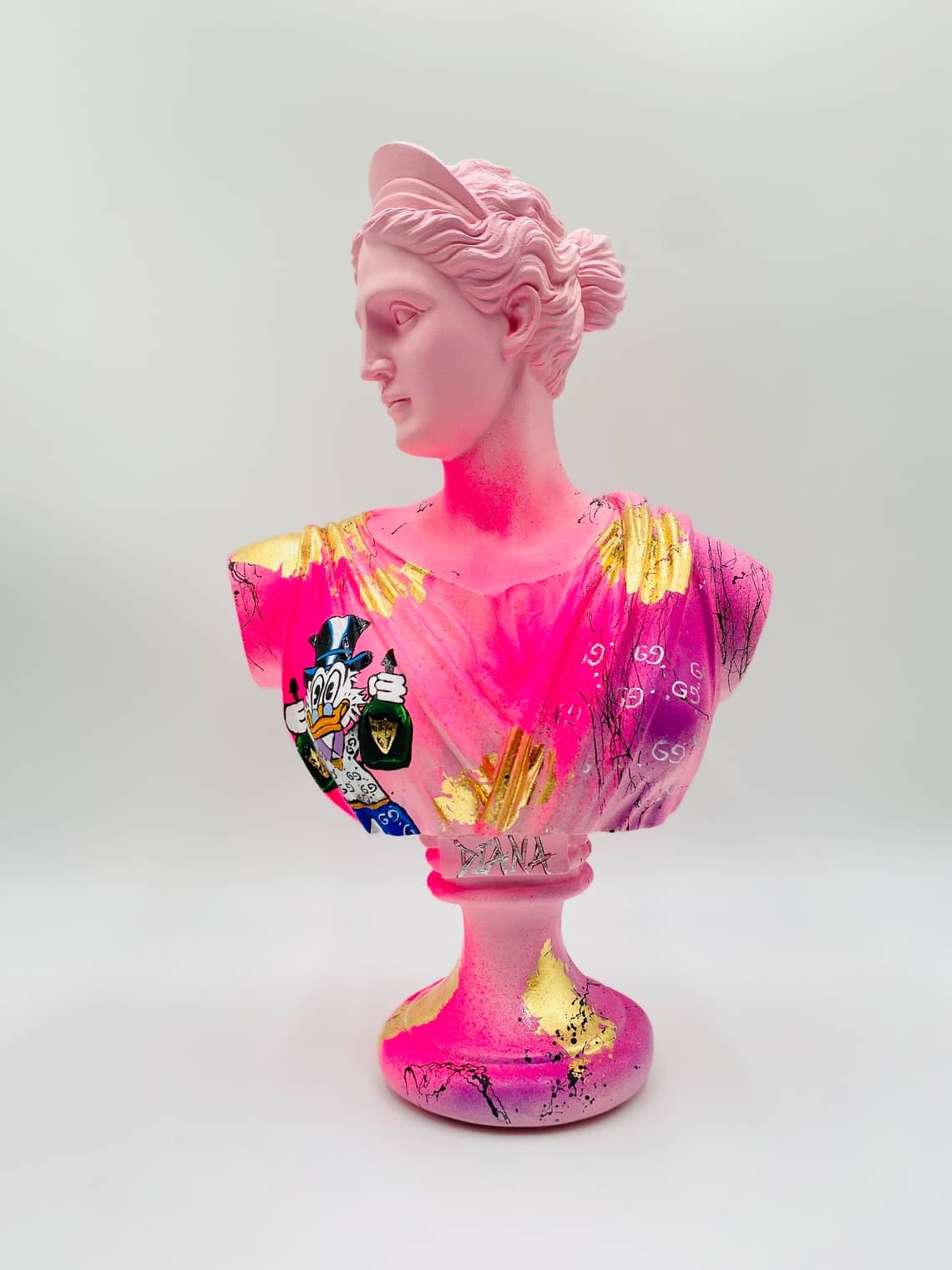
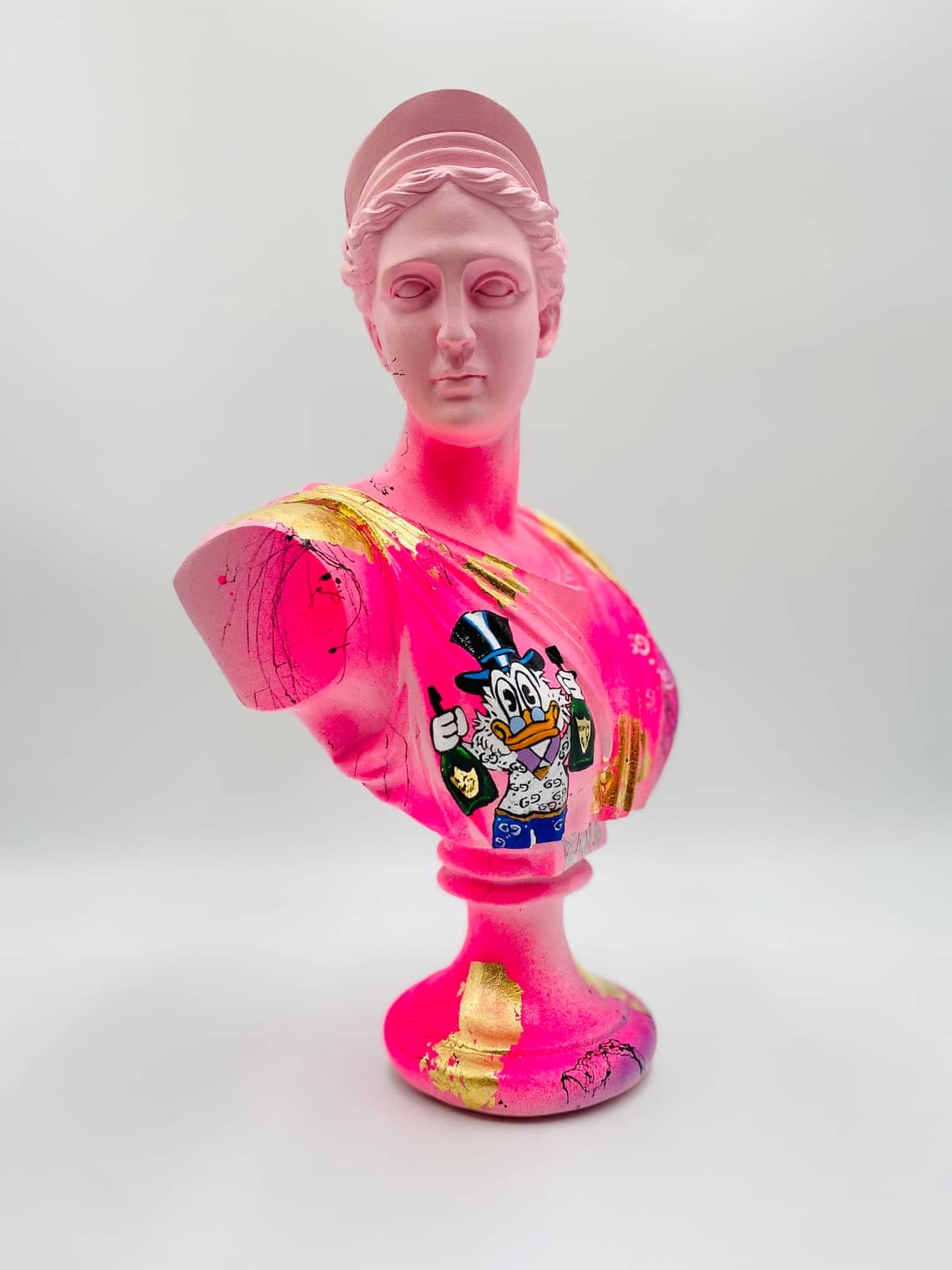
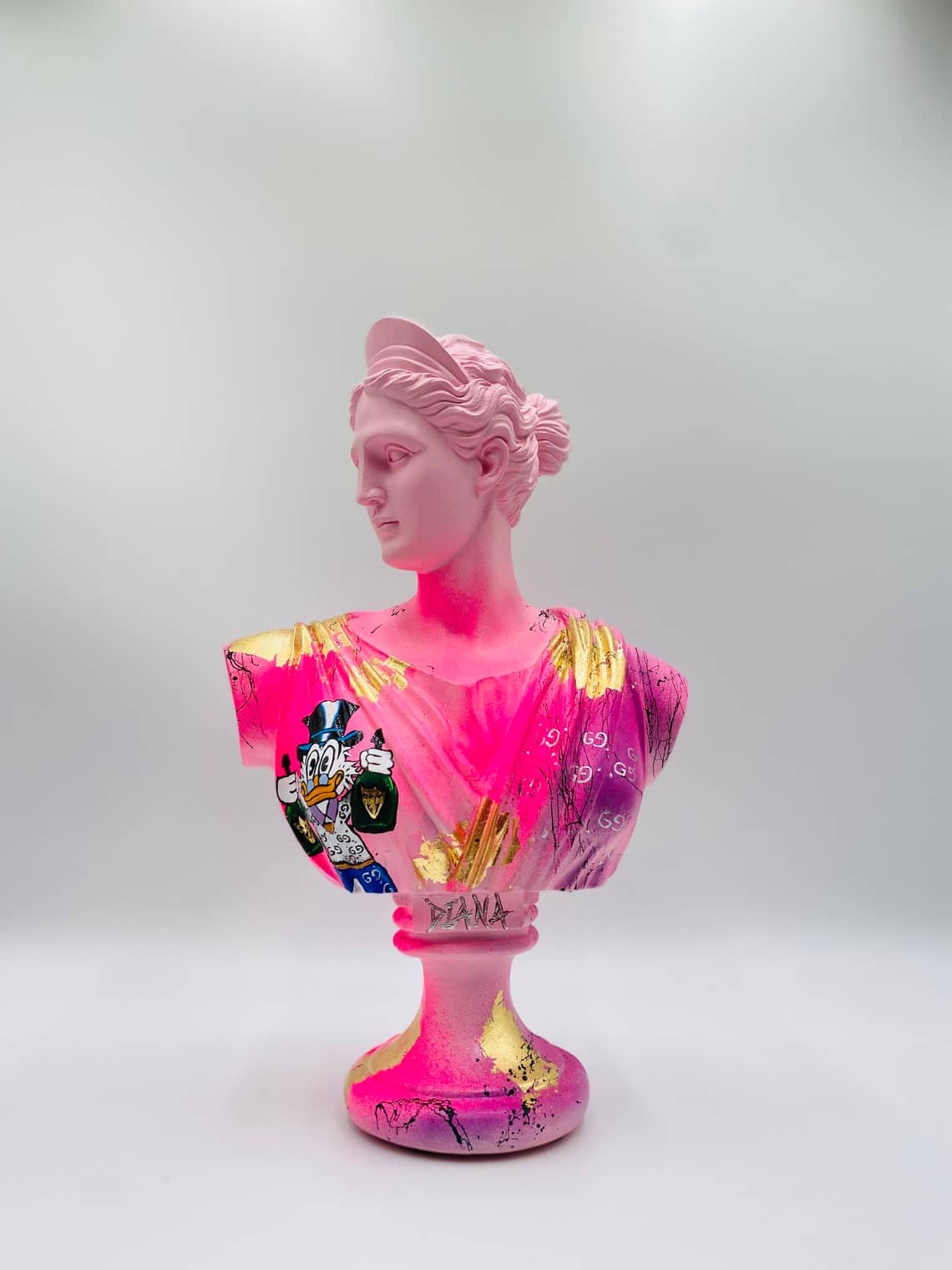
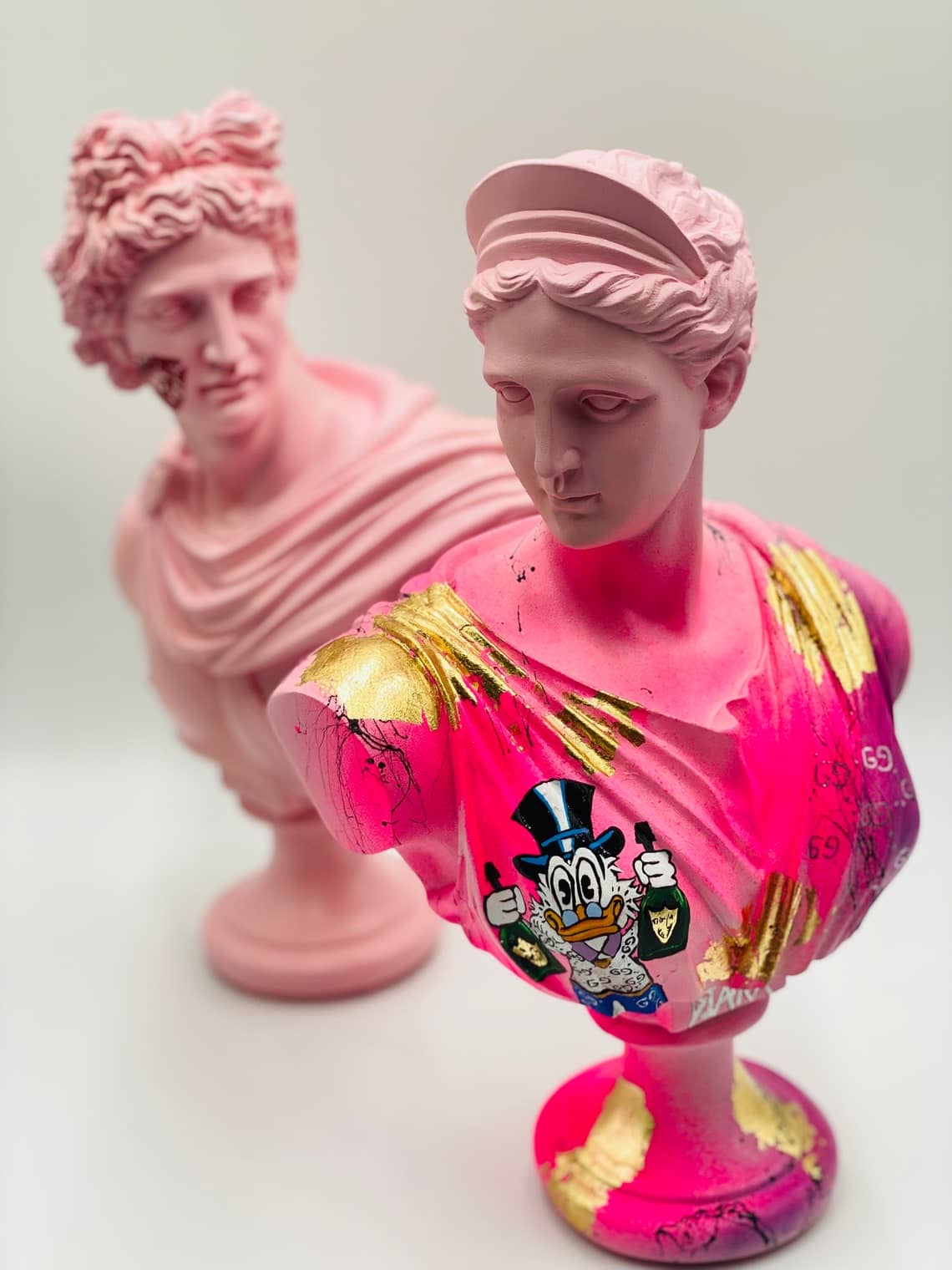
Greek Column Resin Statue, Chrome Plated Home Decor, Greek Interior Decor, Handmade Holiday Gift Idea, Gifts For Him, Gifts for Her
Name of the Artwork: Ionic Column
Materials: Resin and Marble Powder.
Dimensions: 14.6” X 9” X 6” 37cm X 23cm X 15cm
Edition: 1/10
Certification: Yes
Details: Ionic is one of three column styles builders used in ancient Greece and the Ionic order is one of five classical orders of architecture. More slender and more ornate than the masculine Doric style, an Ionic column has scroll-shaped ornaments on the capital, which sits at the top of the column shaft. Ionic columns have distinctive spiral whorl design called the volute; like a spiral shell, characteristic of the Ionic capital. I have chosen Ionic design of columns because they look more artistic and elegant and I have used golden chrome plated for coloring. It’s completely handmade by me.
The Ionic design originated around 565 BC from the Ionian Greeks, an ancient tribe that spoke the Ionian dialect and lived in cities around an area now called Turkey. Two early examples of Ionic columns still stand in present-day Turkey: the Temple of Hera at Samos (c. 565 BC) and the Temple of Artemis at Ephesus (c. 325 BC). Those are quite charming places to visit.