Following a High Court ruling and mounting controversy over artistic freedom, the culture ministry confirms the country will not present a national pavilion at the 61st Venice Biennale.
South Africa will not participate in the upcoming edition of the Venice Biennale, the country’s Department of Sport, Arts and Culture has officially confirmed. The decision follows a legal battle between the ministry and artist Gabrielle Goliath, whose planned pavilion exhibition was canceled earlier this year over concerns about politically sensitive content referencing Gaza.
The confirmation came shortly after South Africa’s High Court dismissed Goliath’s urgent application to overturn the cancellation just hours before the Biennale’s final submission deadline.
Legal Battle Ends in Courtroom Defeat
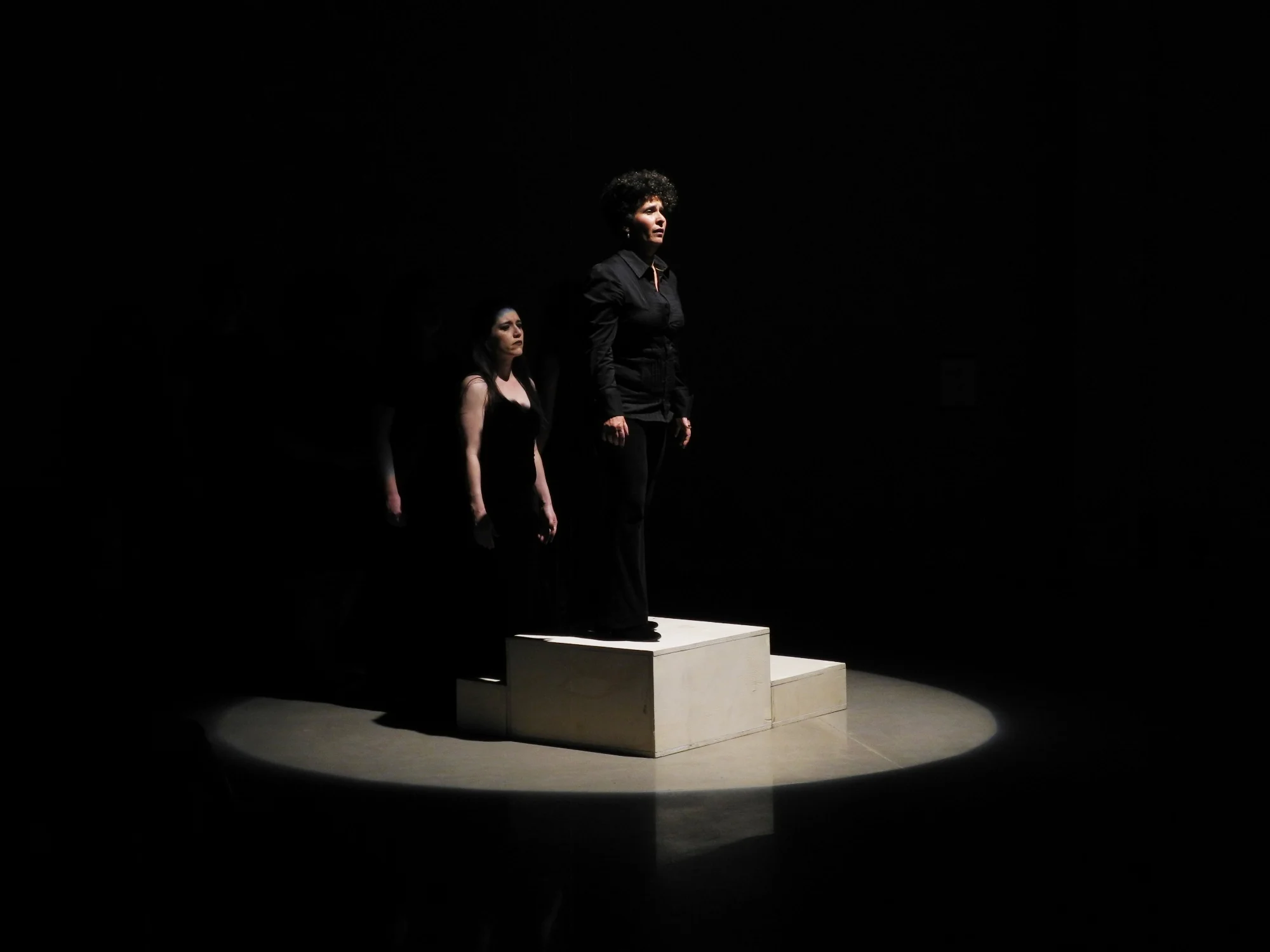
The dispute centers on the proposed South African Pavilion for the 61st edition of the Venice Biennale, scheduled to open in May. Goliath and curator Ingrid Masondo had been selected to present Elegy, a performance-based project addressing systemic violence and commemorating victims of injustice.
However, Culture Minister Gayton McKenzie abruptly canceled the exhibition on January 2, describing it as “divisive.” The ministry claimed it had been misled about the nature of the proposal and subsequently terminated its contract with the nonprofit organization Art Periodic, which had overseen the selection process.
Goliath challenged the decision, arguing that the minister had exceeded his authority and violated her constitutional right to freedom of expression. She maintained that there was no contractual clause granting the minister veto power over artistic content.
On February 18, Judge Mamokolo Kubushi of the North Gauteng High Court dismissed the urgent application without providing detailed reasons and ordered Goliath to pay legal costs, including fees for both senior and junior counsel representing the respondents.
Goliath’s legal team expressed “profound disappointment” with the ruling, describing the cost order as punitive and warning that the decision sets a troubling precedent for artistic freedom in South Africa. They confirmed their intention to appeal.
Controversy Over Artistic Content
Elegy is an ongoing performance work commemorating victims of violence, including women and LGBTQ+ individuals in South Africa, as well as victims of historical atrocities such as the Herero and Nama genocide. The Venice iteration was set to include a tribute to Palestinian poet Hiba Abu Nada, who was killed in an Israeli airstrike in October 2023.
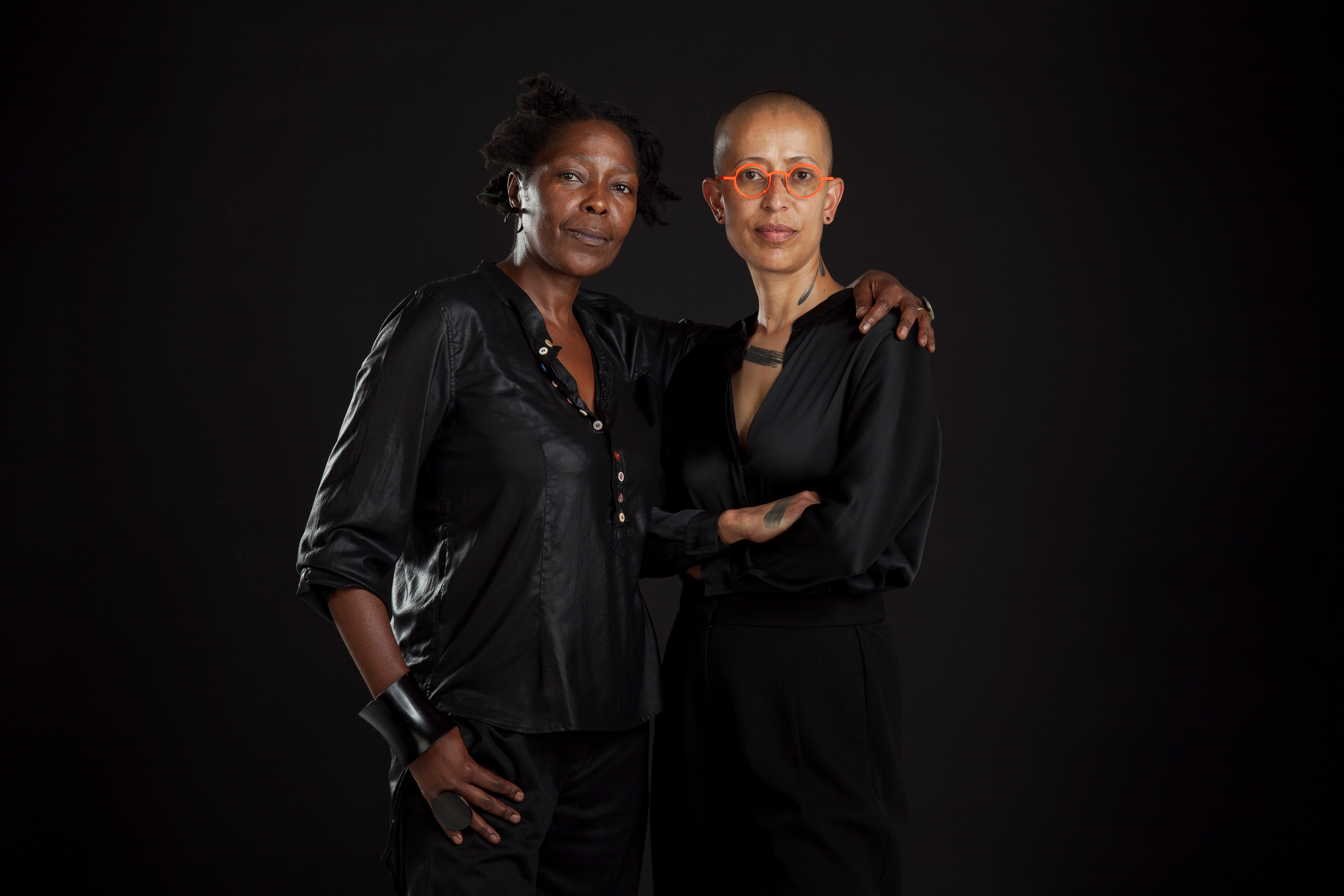
The Gabrielle Goliath and Ingrid Masondo. Photo: Zunis.
The reference to Gaza reportedly triggered concerns within the ministry, ultimately leading to the exhibition’s cancellation.
At the February 11 hearing, advocate Adila Hassim SC, representing Goliath, argued that the minister lacked legal authority to block the pavilion. In contrast, McKenzie’s counsel, advocate Zinzile Matabese SC, framed the matter as a contractual dispute rather than a constitutional one. When pressed by the court to identify specific contractual provisions granting veto power, the defense reportedly struggled to produce clear documentation.
Allegations of Deliberate Delay
The controversy deepened following allegations that the ministry had strategically delayed proceedings until it became impossible for South Africa to meet the Biennale’s submission deadlines.
According to court filings, South Africa’s ambassador to Italy, Nosipho Jezile, secured an extension from Biennale organizers for the submission of catalogue materials from February 6 to February 13. Goliath’s team met the extended deadline.
Nevertheless, critics including the South African news outlet Daily Maverick have accused the ministry of making “surreptitious moves” that effectively ensured the country’s withdrawal from the prestigious international art exhibition.
In a sworn affidavit, McKenzie described the urgency of the legal application as “self-created.” Goliath, in response, alleged that the minister deliberately delayed his reply in hopes of rendering the application moot by missing Biennale deadlines.
No Alternative Pavilion Planned
Despite speculation that an alternative submission might be organized, ministry spokesperson Stacey-Lee Khojane confirmed that South Africa is “not planning any exhibition in Venice this year.”
As a result, South Africa will have no national pavilion at the 2026 Venice Biennale an absence that marks a significant moment in the ongoing debate over artistic freedom, political expression, and state authority in cultural representation.