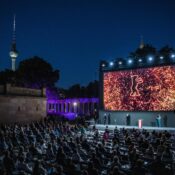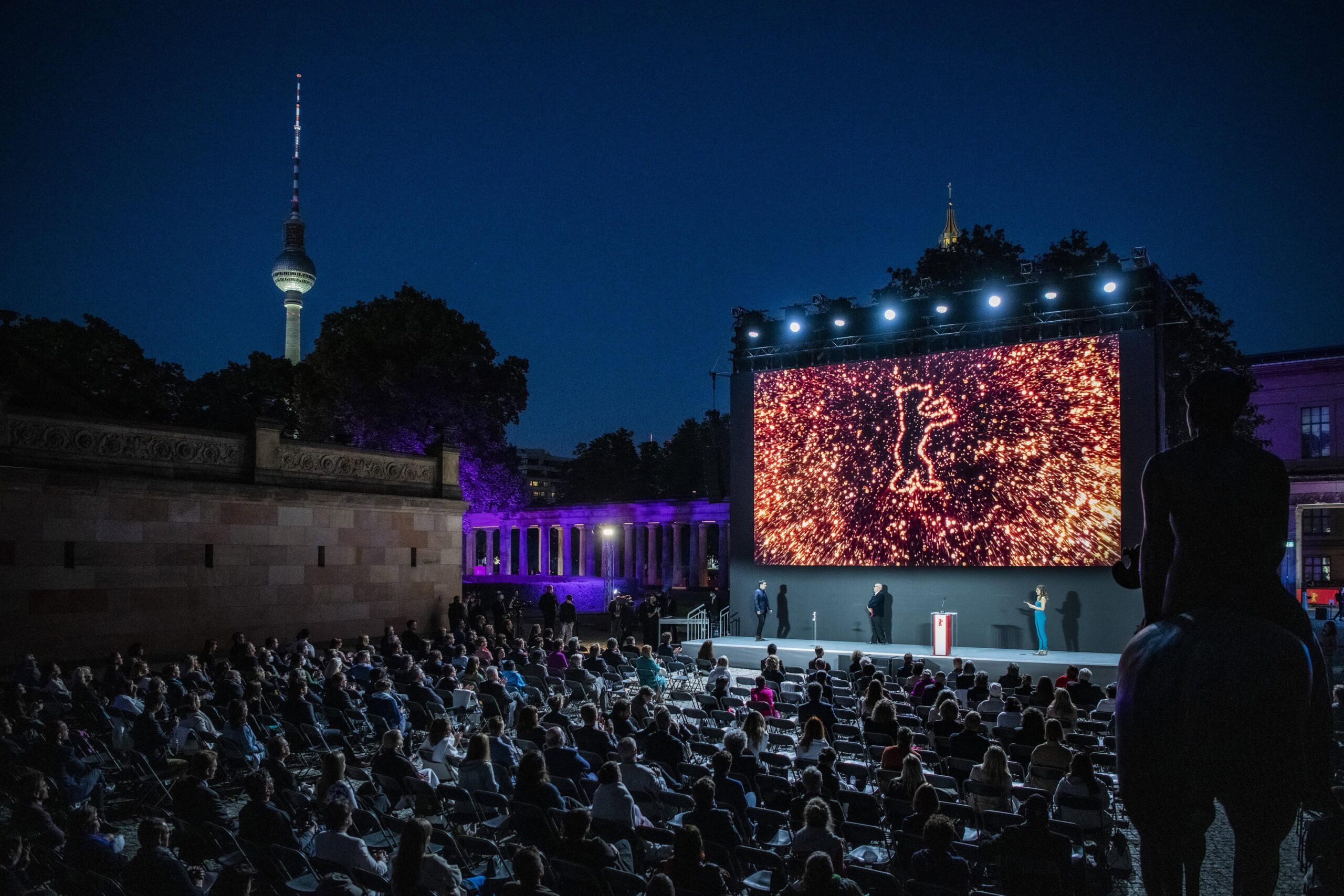
The Berlin International Film Festival (Berlinale) is not only one of the most prestigious events in global cinema; it is also a recurring site of political and cultural debate. A recent statement by the festival’s management reignited that dynamic tension: artists, it emphasized, are not obliged to respond to every political question directed at them. By defending the autonomy of art, the festival positioned itself at the center of renewed criticism.
The statement came at a time when filmmakers and actors are frequently expected particularly during red carpet interviews and press conferences to take clear stances on ongoing geopolitical crises. While acknowledging that art does not exist outside political contexts, the festival leadership argued that artists should not be pressured into adopting an activist role under public scrutiny. For some observers, however, this stance was interpreted less as a defense of freedom and more as an evasion of responsibility under the guise of neutrality.
Artistic Autonomy vs. Public Responsibility
Historically, Berlinale has been regarded as one of the most politically conscious major film festivals. Since the Cold War era, Berlin’s divided identity has shaped the festival’s symbolic and ideological significance. As a result, every statement or deliberate silence on its stages carries weight.
The management’s central argument rests on protecting the creative space of artists. Compelling every filmmaker or performer to articulate immediate political positions, they suggest, risks transforming freedom of expression into another form of coercion. In this view, artistic autonomy is not merely an aesthetic principle but a safeguard for creative independence.
Critics, however, contend that a global festival of Berlinale’s scale supported in part by public funding cannot entirely detach itself from ethical and political accountability. In moments of war, humanitarian crises, or systemic injustice, choosing not to require explicit positions may be perceived not as neutrality but as institutional caution.
Institutional Identity and Cultural Politics
The statement also carries implications for Berlinale’s institutional identity. Compared to festivals such as Cannes or Venice, Berlinale has long cultivated an image of political engagement. Its programming and public discourse often foreground social justice, migration, and human rights. Within that context, asserting that “artists are not activists by obligation” introduces a subtle yet notable recalibration.
The broader question concerns where the boundary between art and activism should be drawn. Cinema, by nature, is a social art form, embedded in collective experience and public circulation. Yet must every artist be evaluated not only through their work but also through their personal political declarations?
The festival’s position suggests caution against conflating artistic production with mandatory activism. Still, this distinction remains contested.
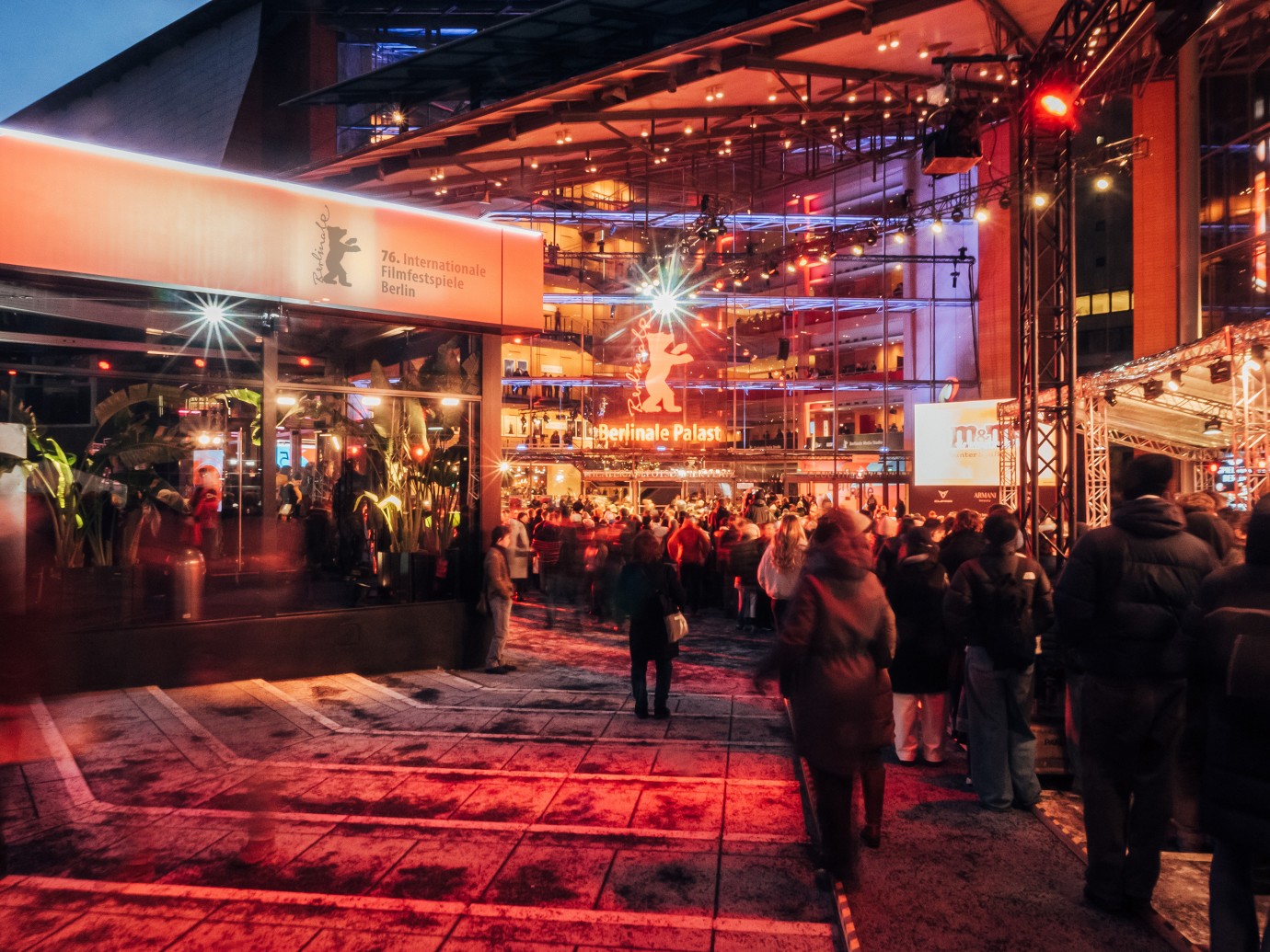
A Critical Reflection
The controversy surrounding Berlinale reflects a larger tension within the global cultural sphere. In the age of social media, artists are no longer defined solely by their works; they occupy visible and often politicized public identities. The expectation of constant responsiveness can blur the line between voluntary engagement and imposed commentary.
Berlinale’s defense may be read as an attempt to resist the instrumentalization of art. At the same time, it raises legitimate questions about how major cultural institutions navigate ethical responsibility in times of crisis. The debate does not resolve the issue; rather, it underscores its complexity.
Ultimately, the discussion returns to a foundational question in contemporary art and cinema: Is an artist responsible only for the work they create, or also for the political consciousness attached to their public presence? Berlinale’s answer is clear—there is no obligation. Whether that clarity satisfies the broader cultural community, however, remains an open question.