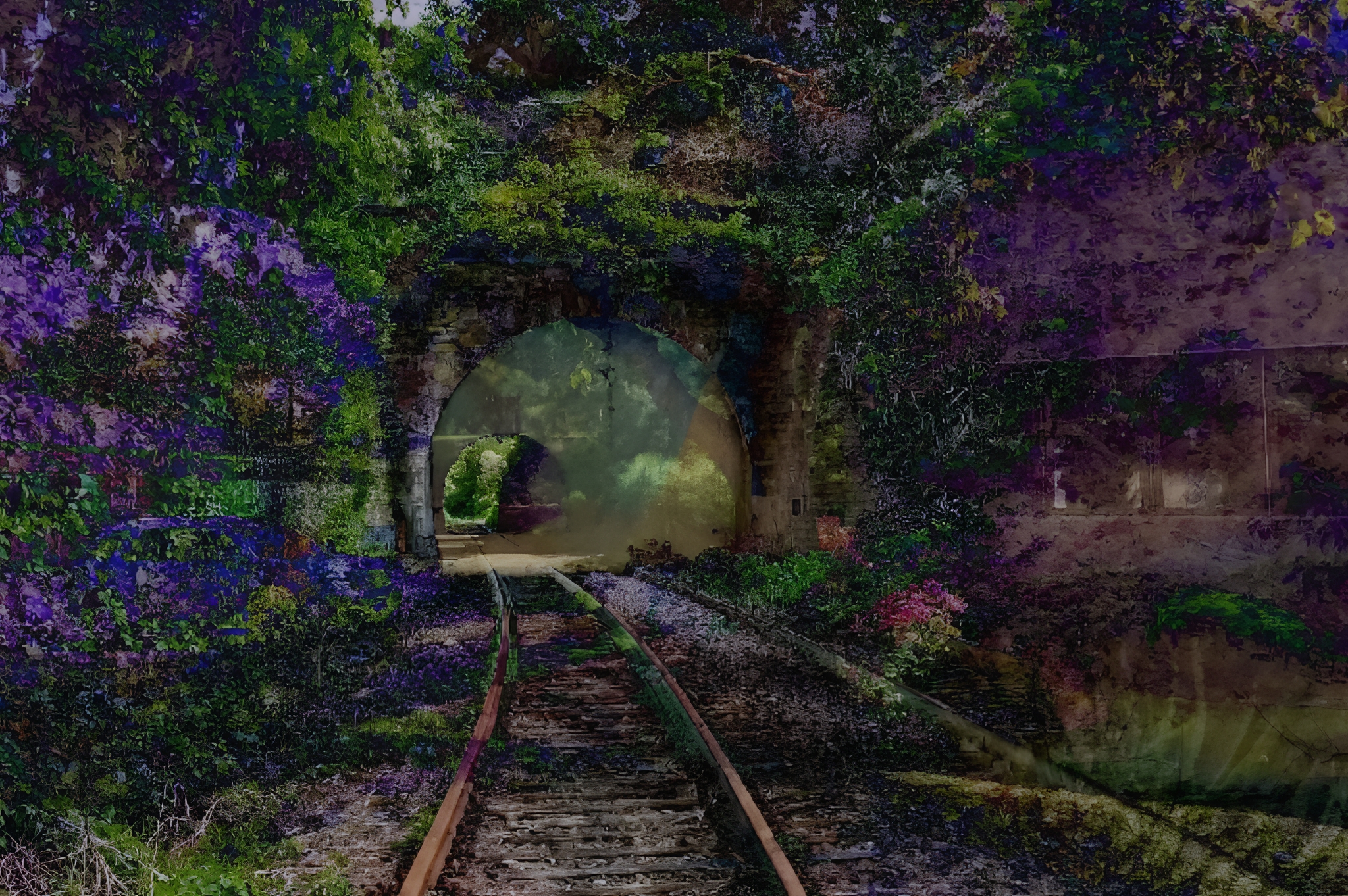
The court has declined to reconsider the question of whether to grant copyright to a piece of A.I.-created work.
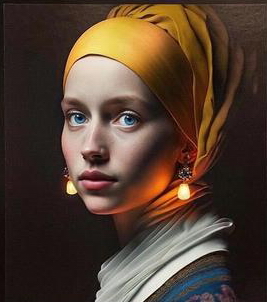
The U.S. Supreme Court has declined to review computer scientist Stephen Thaler’s appeal regarding copyright protection for his AI-generated artwork, A Recent Entrance to Paradise. The decision reinforces a consistent legal position: under current U.S. copyright law, only works created by human authors are eligible for protection.
Thaler’s case centers on an artwork produced in 2012 by DABUS (Device for the Autonomous Bootstrapping of Unified Sentience), an artificial intelligence system he developed. In 2018, Thaler applied to register the work with the U.S. Copyright Office, listing DABUS as the sole author and describing the piece as “created autonomously by machine.” The application was rejected on the grounds that copyright requires traditional human authorship.
Subsequent appeals were denied by the U.S. District Court in 2023 and again by the U.S. Court of Appeals in Washington. With the Supreme Court now declining to hear the case, the legal precedent remains unchanged: AI-generated works without meaningful human creative input cannot be copyrighted in the United States.
AI-Generated Art and Human Authorship
In 2024, the U.S. Copyright Office issued updated guidance clarifying that artworks generated solely through text prompts are not eligible for copyright protection. While acknowledging the rapid development of artificial intelligence in creative industries, the Office maintained that prompting an AI system does not provide sufficient creative control to qualify as authorship.
According to the Office’s position, even complex or repeatedly revised prompts do not make a user the “author” of the final output. Instead, the result reflects the AI system’s interpretation rather than direct human expression.
Legal and Industry Implications
Thaler’s legal team argues that the ruling may negatively impact AI innovation in the creative sector, warning that the absence of copyright protection for autonomous AI outputs could discourage investment and experimentation. They have emphasized that technological change should influence how existing copyright laws are interpreted.
However, U.S. courts have consistently upheld the principle that copyright law protects human creativity. As artificial intelligence continues to reshape contemporary art, design, and media production, the debate over AI copyright, authorship, and intellectual property rights remains central to the future of creative industries.