Zona Maco 2026: Mexico City at the Center of the Global Art Market
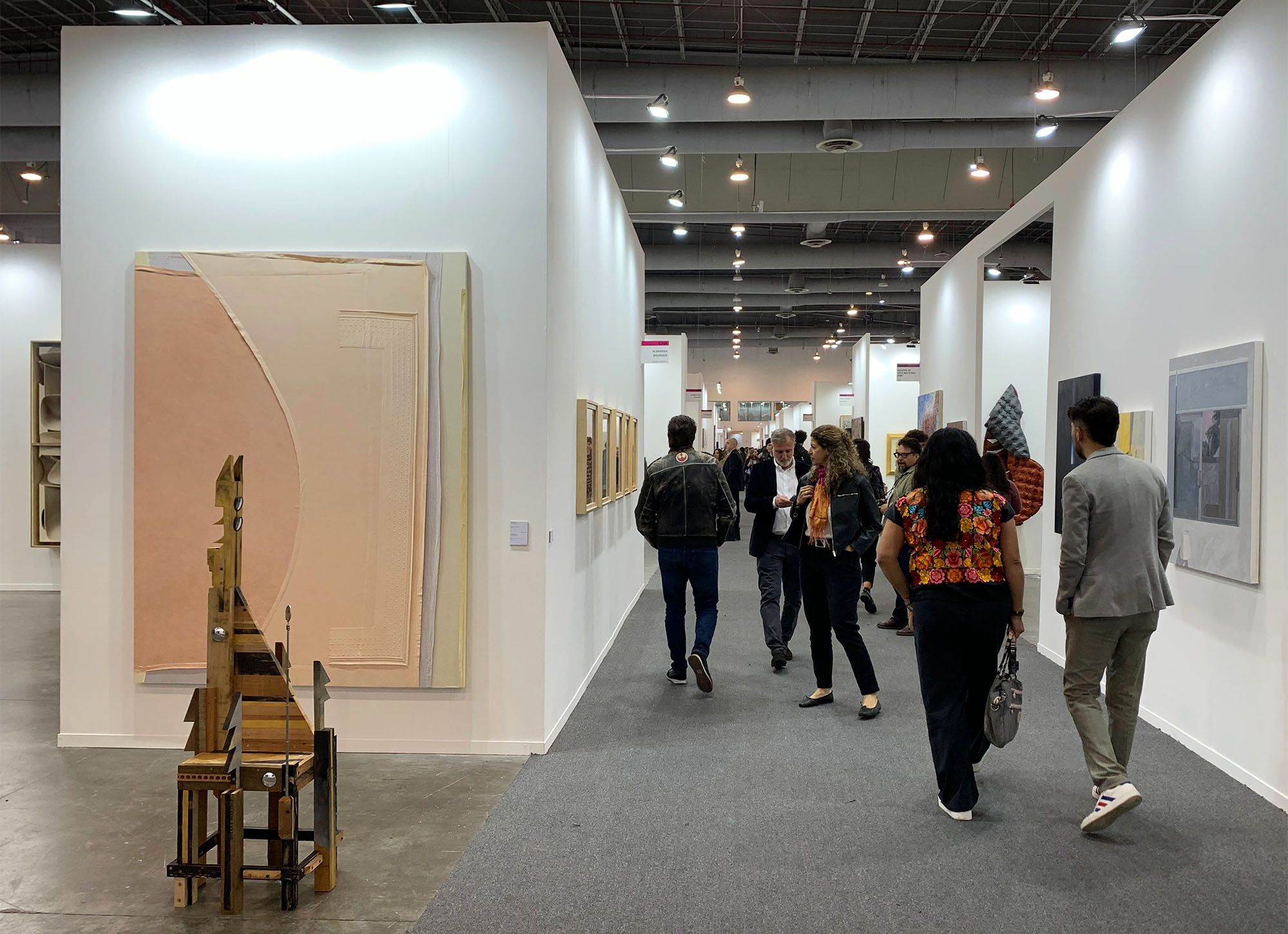
Latin America’s leading art fair, Zona Maco, marked its 24th edition by bringing together collectors, curators, museum representatives, and gallerists from around the world. Held at the Centro Banamex Convention Center in Mexico City through February 8, the fair reaffirmed its role as a key meeting point for the international art scene.
Although geopolitical tensions across the Americas were reflected in conversations and subtly echoed in certain booths, the atmosphere during the VIP preview and opening day remained notably optimistic.
Despite an increasingly crowded art calendar further intensified by the concurrent addition of Art Basel Qatar strong participation from collectors and museum groups across the United States and Europe remained unaffected.
International Attendance and Early Sales
New York based gallerist Sean Kelly reported that one of the gallery’s first sales was made to a previously unknown couple visiting from Munich as part of a museum group. His gallery presented works by Marina Abramović, Kehinde Wiley, Janaina Tschäpe, and Ana González, with prices ranging from $20,000 to $300,000.
Kelly emphasized that one of Zona Maco’s defining strengths is its ability to foster extended, in-depth conversations despite the fair’s scale. He noted that spending an hour and a half speaking with a prominent New York curator would be nearly impossible at many other major fairs.
Discovery-Driven Galleries and Material Focus
Teófilo Cohen, director of Mexico City based Proyectos Monclova, highlighted the fair’s discovery-oriented character. The gallery’s booth featured dystopian, science fiction–inspired paintings by Havana-born Brenda Cabrera, detailed gouache works on wood by Mexico City born Circe Irasema, and ceramic sculptures by Guadalajara-based Víctor Hugo Pérez, who reinterprets traditional local techniques. Pérez’s works were priced between $3,000 and $6,000.
This year, ceramics and material-driven practices stood out across the fair. Santa Fe based Kouri + Corrao presented textile works by Karen Hampton and Kendall Ross, alongside ceramic pieces by Raven Halfmoon and Joon Hee Kim. Prices ranged from $500 to $40,000.
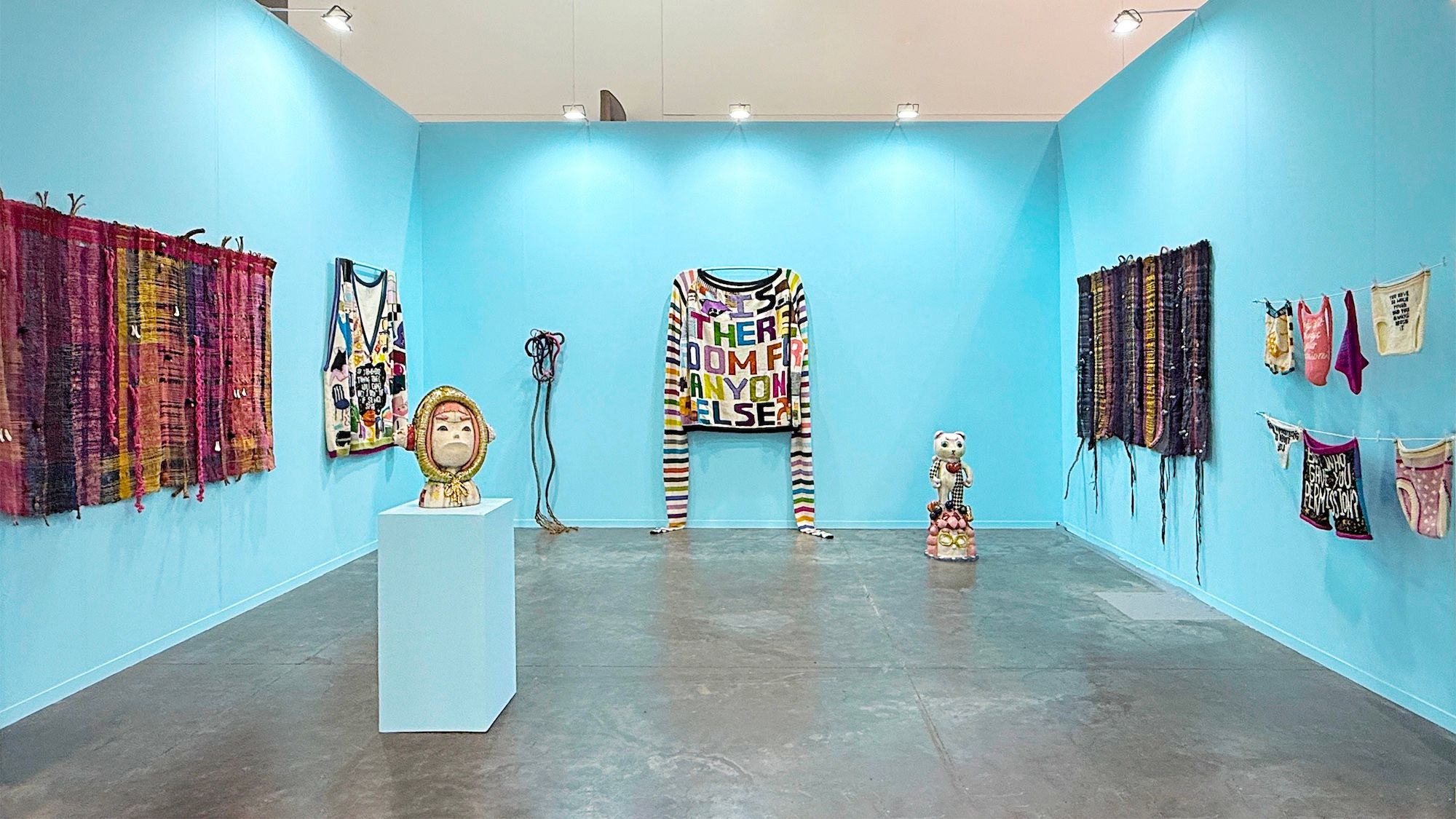
An image from the Kouri + Corrao booth at Zona Maco
Similarly, New York’s Palo Gallery showcased Raul De Lara’s intricate wooden sculptures alongside Brazilian artist Manoela Medeiros’s architectural constructions made from brick, plaster, and ceramic. Works were priced between $6,000 and $25,000.
Gallery founder Paul Henkel reported early conversations with representatives from MoMA PS1, Tate, SFMOMA, and Museum Brandhorst. According to fair organizers, the official museum group list included more than 75 institutions, with particularly strong attendance from the United States and Canada.
Kylie Manning’s works at the Pace Gallery booth at Zona Maco
The Strength of Latin American Collectors
Maria Godoy, director of Lima-based Galería Livia Benavides, noted a significant presence of Canadian collectors and institutions. Many visitors were already familiar with the gallery’s program and artists.
Several artists presented at the booth maintain strong ties to Mexico City. Peruvian artist Rita Ponce de León, who lives in Mexico City, concurrently participated in an exhibition at Museo Tamayo, while Lima-born Fátima Rodrigo is scheduled for a solo exhibition at the same institution.
Meanwhile, international heavyweight Pace Gallery reported that nearly all works in its solo presentation of New York–based artist Kylie Manning sold during the VIP preview.
Notably, most sales were made to local Mexican collections, underscoring the growing strength of the city’s collector base.
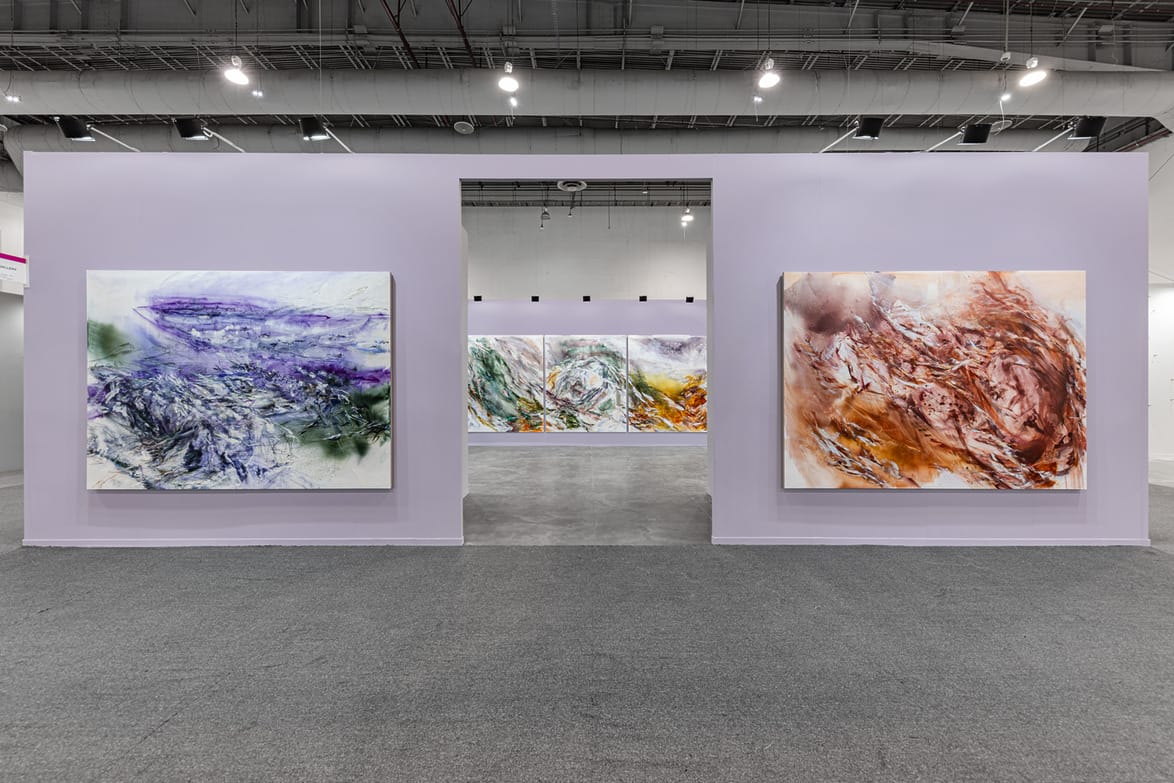
Kylie Manning’s works at the Pace Gallery booth at Zona Maco
Mexico City’s Rising Global Position
One of Mexico City’s oldest galleries, Galería de Arte Mexicano, experienced its busiest opening day in 24 years of participation. Its booth presented a cross-generational selection, featuring modernist masters such as Diego Rivera and David Alfaro Siqueiros, alongside established contemporary figures and emerging talents.
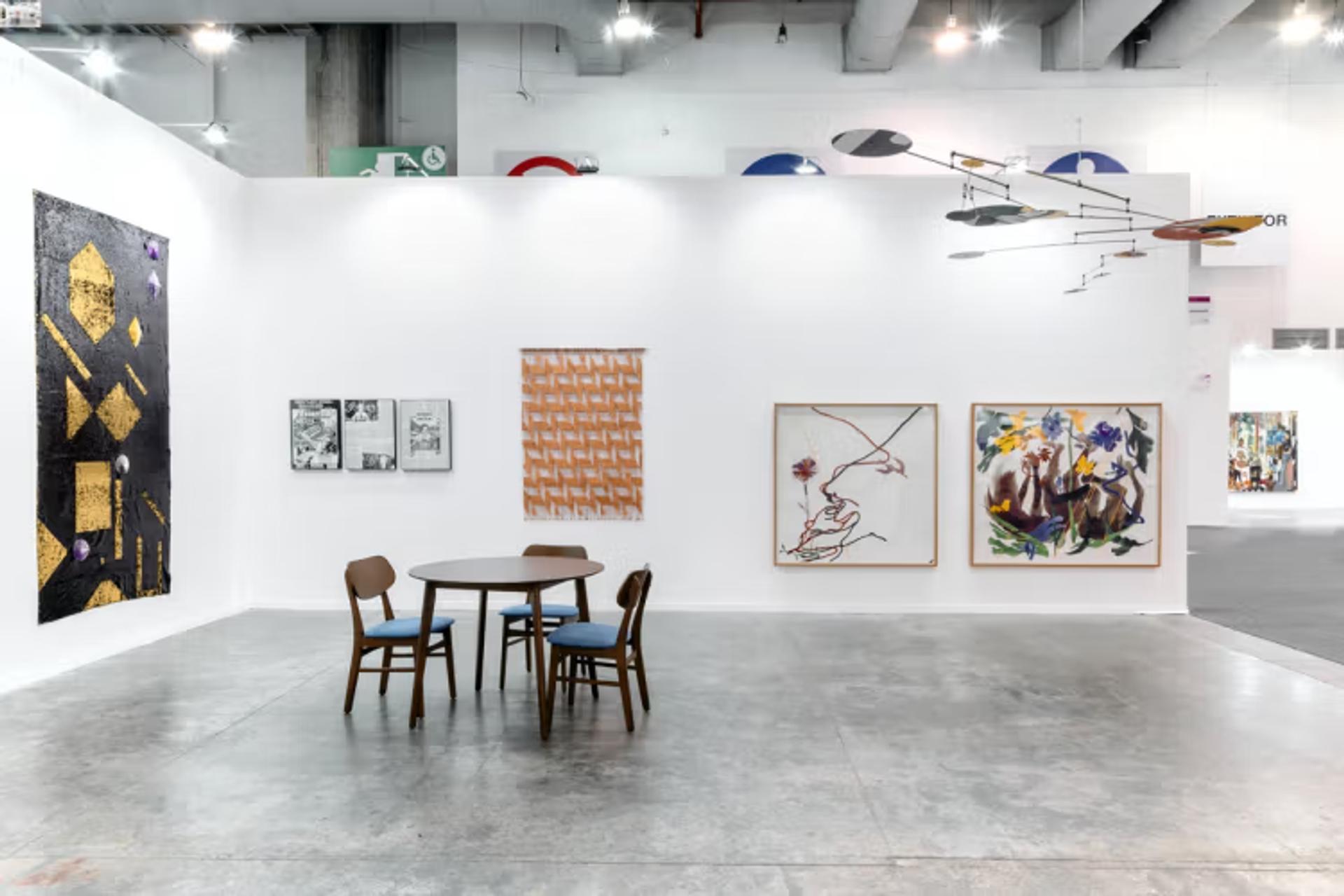
First-time exhibitor Ambar Quijano also reported strong sales during the VIP preview, covering the cost of participation. Similarly, New York–based Kates-Ferri Projects noted increased sales to multi-generational Latin American collector families, reflecting a dynamic shift in the region’s collecting culture.
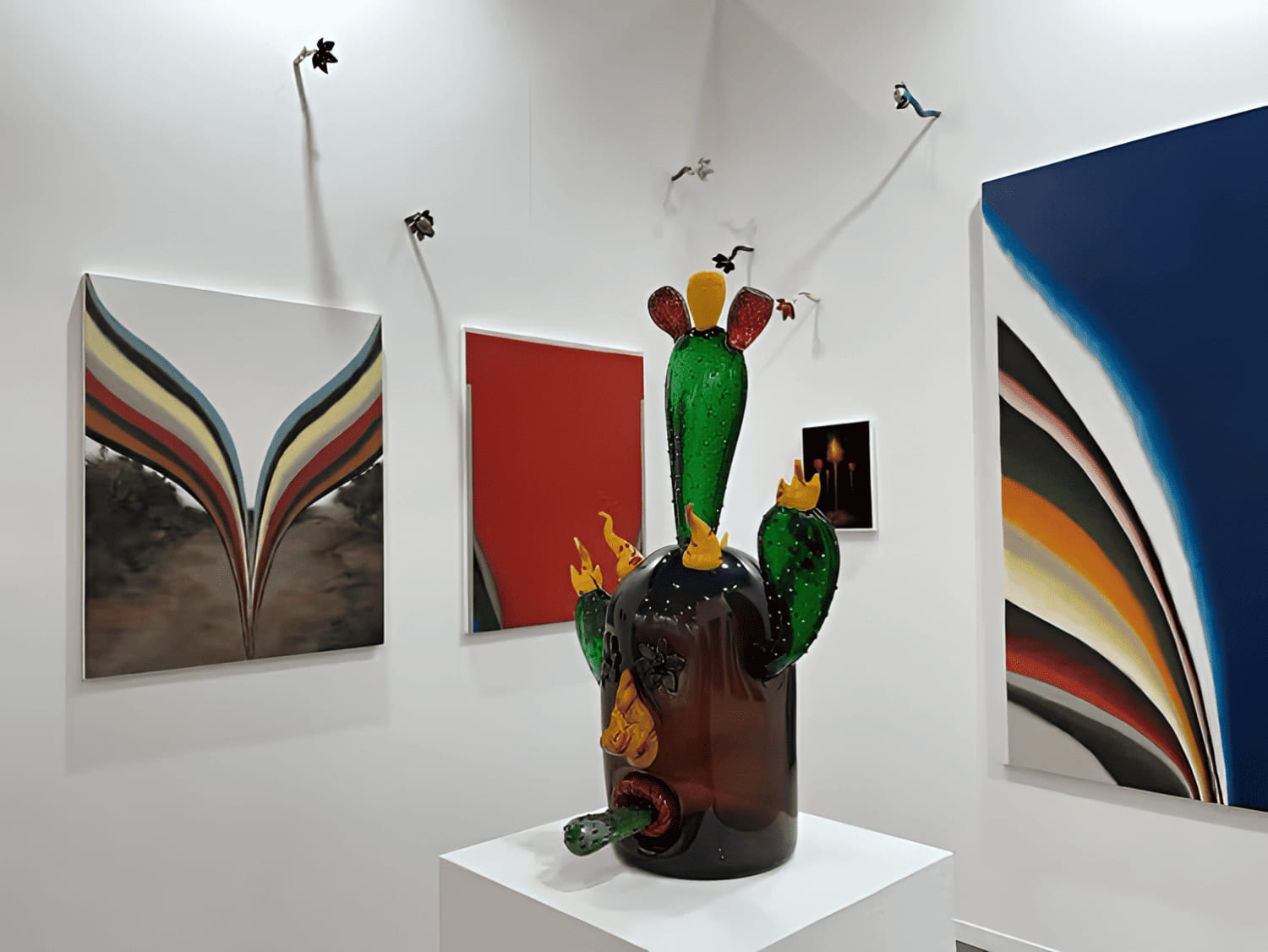
A view of an installation at the Kates-Ferri Projects booth at Zona Maco
Conclusion: Zona Maco’s Strategic Role in the Art Market
Zona Maco 2026 not only reaffirmed its status as Latin America’s premier art fair but also strengthened Mexico City’s position as a rising global art hub.
The prominence of material-focused practices, the growing influence of Latin American collectors, and the strong presence of international museum representatives collectively demonstrate that the fair has evolved beyond a regional platform.
All indicators suggest that Mexico City is consolidating its place as a lasting and influential center within the contemporary art market.