In today’s art world, Impressionism is widely celebrated as the foundation of modern painting. Works by Claude Monet, Pierre-Auguste Renoir, and Edgar Degas hang in the world’s most prestigious museums and attract millions of visitors each year.
Yet when Impressionism first emerged in 19th-century Paris, it was not admired it was ridiculed.
So why was Impressionism considered a scandal?
The Power of the Academy
To understand the controversy, we must look at the structure of the French art world in the mid-1800s. The Académie des Beaux-Arts dictated artistic standards, and the annual Paris Salon determined an artist’s reputation and career.
Historical subjects, mythological scenes, biblical narratives, and highly polished surfaces were considered the pinnacle of artistic achievement. Paintings were expected to be technically refined, carefully composed, and morally elevated.
Anything outside these conventions risked rejection.
A Radical Shift in Technique
The Impressionists challenged nearly every academic rule.
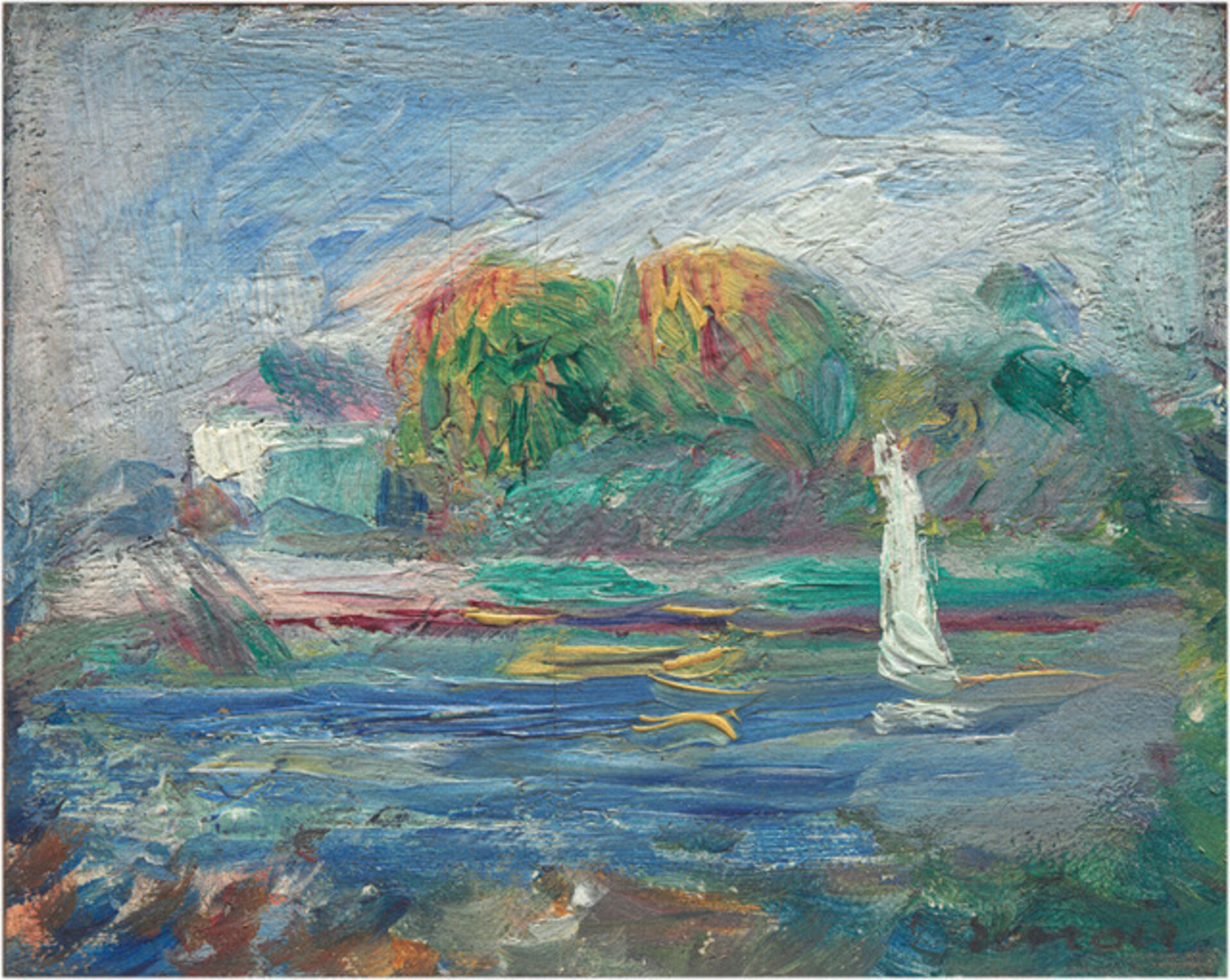
Instead of painting in studios, they worked outdoors en plein air capturing the changing effects of light and atmosphere directly from nature. Instead of smooth, invisible brushwork, they used visible, broken strokes of color. Instead of grand historical themes, they painted modern life: cafés, train stations, gardens, and leisure scenes.
To conservative critics, these works looked unfinished. The visible brushstrokes were interpreted as careless. The compositions appeared spontaneous rather than structured. The emphasis on light over detail seemed technically weak.
But what critics dismissed as incompetence was in fact intentional.
Impressionism shifted painting from a perfectly completed surface to a momentary visual experience. The goal was not to reproduce reality with photographic precision, but to capture how reality felt in a specific instant.
The Birth of a Name
The term “Impressionism” itself began as an insult.
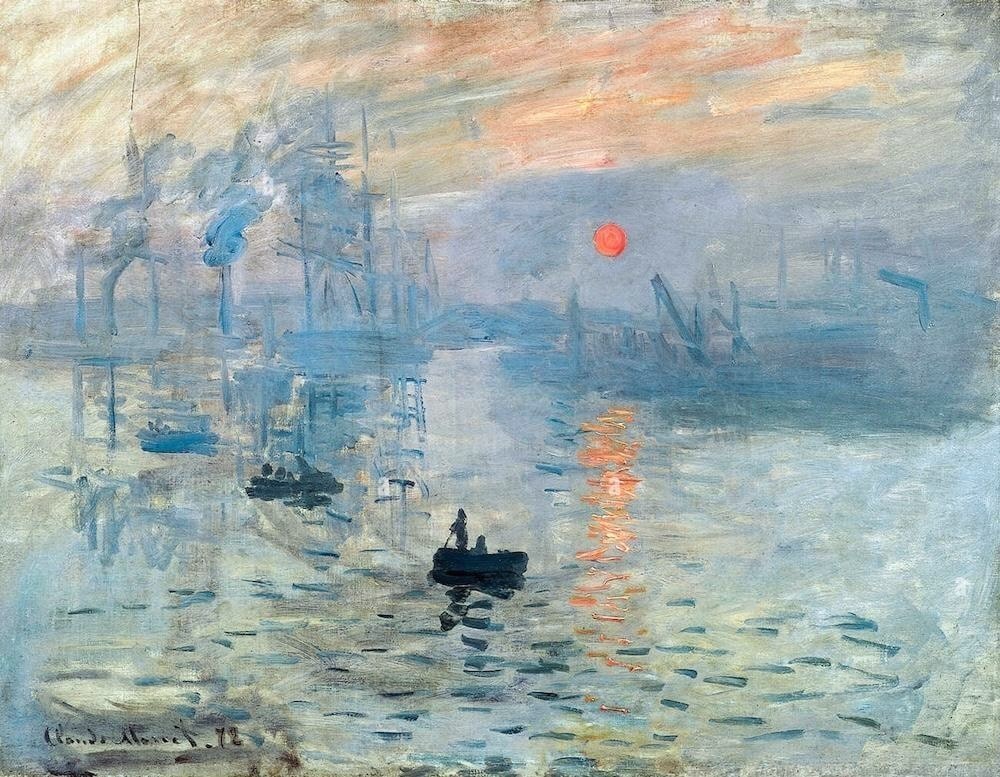
In 1874, a group of independent artists organized their own exhibition after repeated rejections from the official Salon. When critic Louis Leroy reviewed the show, he mocked Claude Monet’s painting Impression, Sunrise, claiming it looked more like a rough sketch than a finished artwork. He sarcastically referred to the artists as “Impressionists.”
The name stuck — and what began as ridicule became one of the most influential movements in art history.
The Salon des Refusés: A Turning Point
The seeds of this rebellion were planted earlier. In 1863, so many works were rejected from the official Salon that Emperor Napoleon III authorized a separate exhibition: the Salon des Refusés (Exhibition of the Rejected).
This event marked a profound shift. It signaled that artistic value was no longer determined solely by institutional approval. Alternative exhibition spaces began to emerge, opening the door to modern art movements that would follow.
From Scandal to Canon
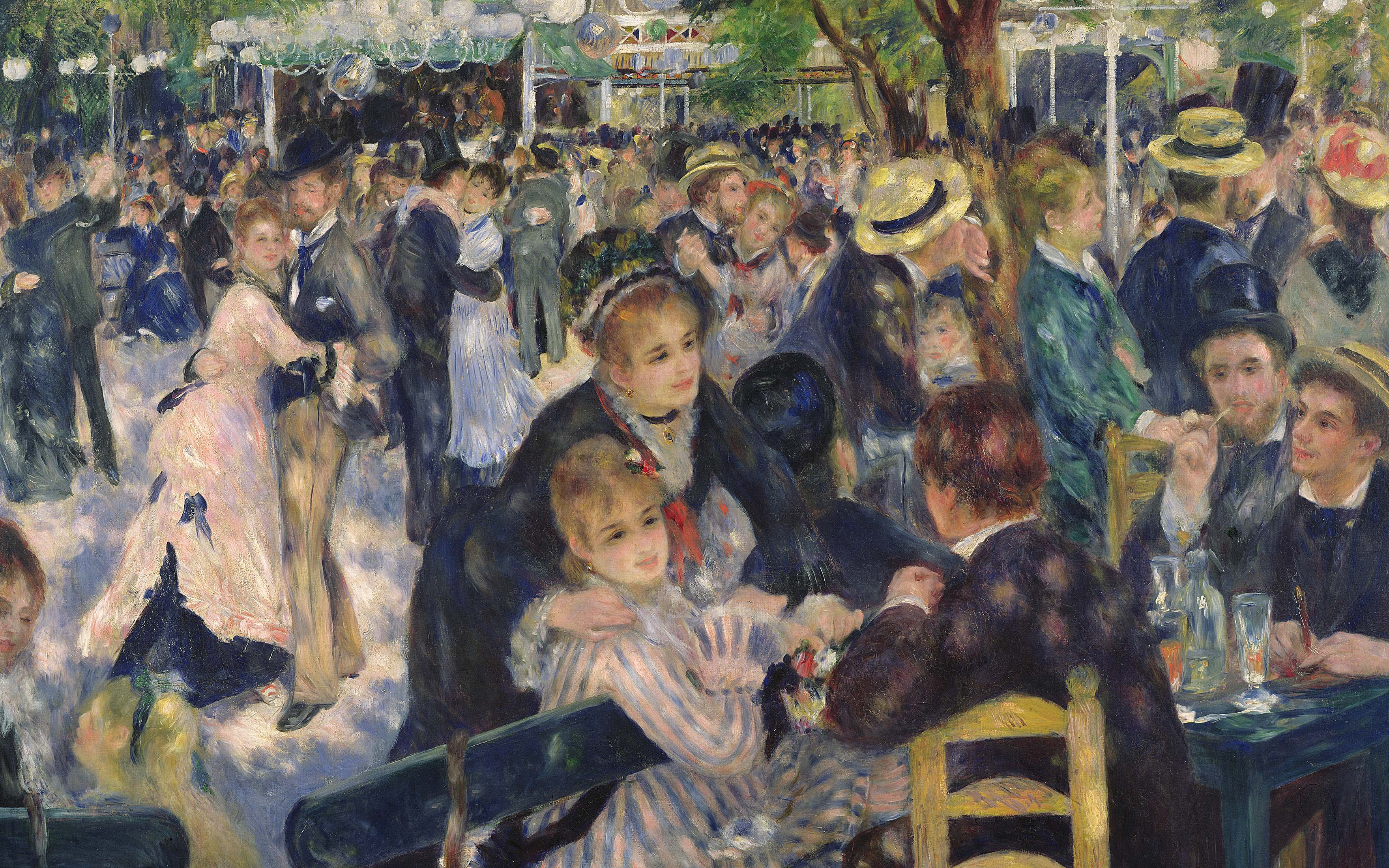
What once shocked audiences is now considered revolutionary brilliance. The very qualities that critics condemned loose brushwork, fleeting compositions, atmospheric color became the language of modern painting.
Impressionism redefined what art could be. It liberated artists from strict academic hierarchies and validated personal perception as a legitimate subject of art.
More importantly, it changed how we see.
Rather than presenting an idealized, fixed reality, Impressionist paintings suggest that vision itself is unstable shaped by light, movement, and time. This idea would pave the way for Post-Impressionism, Fauvism, and ultimately abstraction.
Why This Still Matters Today
Every major artistic revolution faces resistance. From Cubism to Abstract Expressionism to contemporary conceptual practices, innovation is often misunderstood before it is accepted.
The story of Impressionism reminds us that what appears radical today may become tomorrow’s canon.
Art history repeatedly shows us that progress in art does not emerge from comfort it emerges from disruption.